
Flex Office, Professionally Managed

CENTRL Office partners with building owners across Oregon, California, and Washington to bring managed flexible office space to their properties, activating underutilized spaces and creating a pipeline of growing businesses that can step into traditional lease space over time.

Talk To Our Team
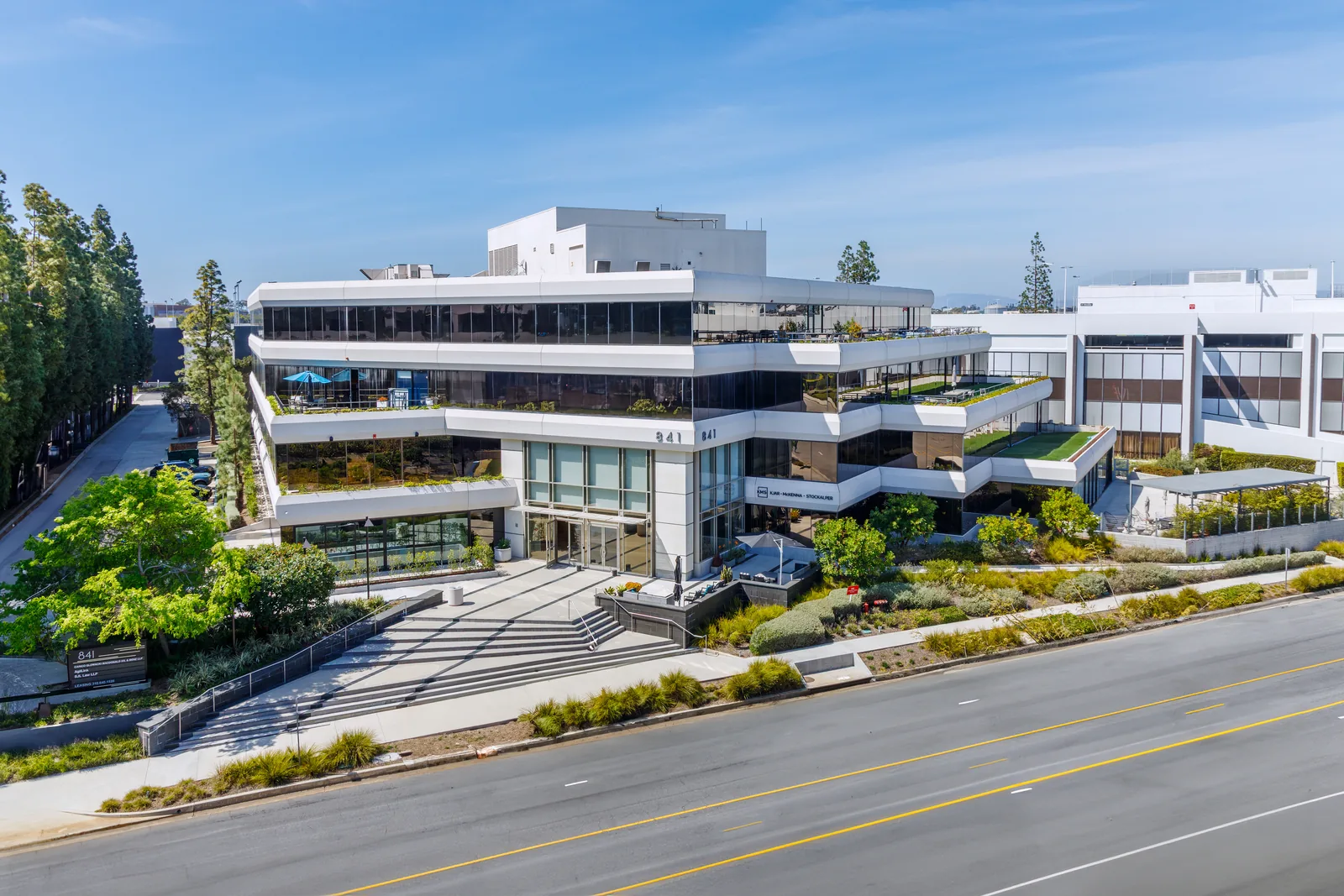
Aerial view of an office building that houses a CENTRL Office location
The state of office

Office Space Looks a Little A Lot Different These Days

Hybrid work has permanently reshaped how companies use office space. With fewer employees in the office at any given time, companies are leasing less square footage than they historically have, and taking longer to commit to new space. As a result, vacancy rates in many markets remain elevated, challenging traditional leasing strategies that worked a decade ago.

At the same time, tenant expectations have risen. Companies aren't just looking for a place to put desks, they want comfortable and collaborative environments with amenities that give their teams a reason to come to the office. Buildings that can deliver that experience are winning, while those that can't are struggling to retain tenants and attract new ones.

The move to flex

Flexible Office Space Is Filling the Gap

Flexible office space has moved from a niche product to a core component of the commercial real estate landscape. As the sector has matured, professionally managed operators have become the standard, resulting in improved quality and stability across the product.

For building owners, a well-run flex office operation offers something traditional leasing often can't: the ability to serve a broader range of tenants, generate building-wide activity, and create a pipeline of growing businesses that can eventually step into traditional lease space.

For building owners, the question is no longer whether flex space belongs in the market. It's how to respond to the demand for it.

Your options

How Building Owners Are Responding

There is no single right answer for every building or ownership situation. Here is a straightforward look at the three paths most landlords consider.

Stay Traditional

Long-term leases provide predictable cash flows and minimal operational complexity. For owners whose buildings are primarily occupied with a stable tenant base, this approach works. The growing challenge, though, is that fewer large tenants are seeking traditional space, leaving buildings that can't offer flexibility at a disadvantage.

DIY Flex Model

Some owners choose to launch and operate a flex product themselves. This offers full control but requires significant investment in buildout, staffing, technology, and marketing. Running flex office space is as much a hospitality business as a real estate one, and the operational demands are often underestimated.

For owners interested in exploring the management agreement path, here is what a partnership with CENTRL Office looks like in practice.

The partnership

What Building Owners Gain

Organic Tenant Growth

As CENTRL members outgrow our space, we can work with you to transition them into a traditional office in your building. Because our relationship is already established with both parties, the process is typically direct, saving you broker commissions—and time.

Diversification

A CENTRL location opens your building to individuals, startups, and growing companies that wouldn't sign a traditional lease. This broader tenant base reduces your dependence on any single large occupier and provides a more resilient revenue stream.

Flexibility for Your Tenants

Offering flex space within your building gives your tenants access to on-demand meeting rooms, as well as room to grow or contract as their business changes. That kind of flexibility is increasingly a factor in lease renewal decisions.

Reporting and Transparency

CENTRL provides regular financial and operational reporting to ownership. You stay informed without being involved in day-to-day operations.

Building Activation

Our community of creatives and professionals creates a dynamic, active environment that makes your property more attractive to prospective tenants, and adds value for existing ones.

Shock Absorption

Flexible space allows you to meet tenants where they are during market downturns and slowdowns, buoying the bottom line. Flexible terms also allow for a quick mark-to-market.

Ready to explore a partnership?

Talk To Our Team
FAQs

Common Questions from Building Owners

Each partnership is structured around the specific building, market, and ownership goals. In general, CENTRL operates the flex office business on your behalf, managing staffing, marketing, sales, operations, and member relations. Ownership retains visibility through regular reporting and can be as involved in the operation as they choose.

No. Unlike a traditional lease arrangement where a flex operator is essentially another tenant competing for the same building occupancy, CENTRL works for the building owner. Our goal is to fill your building, support your existing tenants, and grow occupancy across the asset.

We are primarily focused on Class A and B office buildings on the West Coast, typically with available space in the range of 22,000 - 60,000 square feet. Proximity to amenities, transit access, and 24-hour building access are important factors. We are happy to perform an initial evaluation of your building at no cost.

That is one of the most valuable parts of the partnership. When members grow beyond what CENTRL can accommodate, we work collaboratively with the building owner to introduce them to available traditional lease space in the same building or portfolio, often without a broker.

Running a flex office operation requires managing a hospitality-grade member experience alongside the real estate itself. That means hiring and training on-site staff, building a marketing and sales function, implementing workspace management technology, and programming the space to retain members. Owners who have attempted this without a dedicated operator often find that occupancy, member satisfaction, and financial performance fall short of what a professional operator can deliver.

In a traditional lease, the flex operator is simply another tenant. They make a promise to pay rent, and their interests are largely separate from yours. If your building has other vacant space, they may effectively be competing against you for the same pool of tenants. Under a management agreement, we work for you. CENTRL manages the flex business on your behalf, with full transparency into finances and operations, and an active interest in the success of your building as a whole.

As involved as you want to be. Some owners prefer close collaboration on programming and operations. Others prefer to receive reporting and stay at arm's length. CENTRL is structured to work well either way.

The core principles are consistent across our locations, but we recognize that every building and ownership situation is different. We work with partners to structure agreements that reflect the specific needs and goals of the asset.

Let's Talk About Your Building

CENTRL Office operates locations across Oregon, California, and Washington and is actively seeking new partners throughout the West Coast. Tell us about your space and we'll follow up to explore whether a CENTRL partnership makes sense.